Decorative Bell: A Designer's Real-World Review
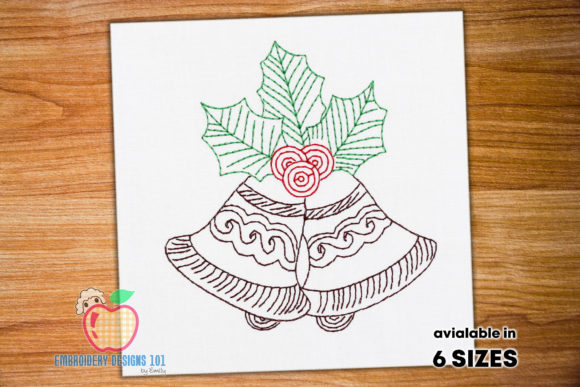
When I first opened the Decorative Bell file, my initial reaction was one of relief. In a market saturated with overly complex, dense fill stitches that often require hours of machine time and frequent thread breaks, this design felt like a breath of fresh air. It is a line art machine embroidery design that promises to be fun and easy to stitch, relying on running line stitches in a Single Triple Run format. As someone who reviews designs for both personal holiday projects and commercial small business inventory, I immediately started visualizing how this would perform on actual products.
The mood created by Decorative Bell is distinctly cheerful and nostalgic. The shape evokes the classic imagery of the holiday season without feeling cluttered or heavy. For a designer looking to add a touch of festive spirit to a product line, this design offers a clean, modern aesthetic that avoids the "cliché" trap. It feels less like a generic Christmas decoration and more like a sophisticated accent piece that could fit seamlessly into a boutique brand's identity. The layout is open, allowing the negative space to do some of the heavy lifting, which is crucial for maintaining clarity during the stitching process.
Real-World Application: From Scrap Fabric to Shop Floor
I decided to test Decorative Bell on a custom embroidered tote bag project, a common request for craft fair vendors and Etsy sellers. The goal was to create a reusable shopping bag that felt artisanal but could be produced quickly to meet demand. Because these are running line stitches, the design is ideal for high-volume production where speed matters. I found that the Single Triple Run technique allows the machine to cover the area efficiently without bogging down the needle.
After stitching the design onto a sturdy canvas fabric, the result was crisp and defined. The lines held their shape perfectly, even on a textured surface that might have struggled with finer details. This makes it an excellent choice for a variety of handmade products, from aprons and kitchen towels to baby clothes and nursery decor. When I held up the finished tote, the visual appeal was immediate; the simple lines conveyed a sense of quality and thoughtfulness that customers appreciate. It transformed a plain canvas bag into a personalized gift that felt special yet accessible.
For small business owners, the efficiency of this design cannot be overstated. If you are selling embroidery files or creating finished goods, the fact that this can be stitched in minutes means your profit margins improve significantly. There is no need to charge a premium for hours of machine time when a design like Decorative Bell delivers a professional look in record time. It fits perfectly into a workflow that includes custom apparel, sweatshirt embroidery, and holiday gifts where turnaround times are critical.
Navigating Potential Pitfalls and Fabric Choices
While Decorative Bell is versatile, every experienced designer knows that success lies in understanding where a design should be used carefully. Running stitches, while beautiful, rely heavily on the stability of the fabric and the quality of the stabilizer used. On thin fabrics or stretchy materials like jersey, there is a risk of puckering if the tension is not adjusted correctly. I recommend always testing the design on scrap fabric first to ensure the running lines lay flat and do not distort the weave.
Another consideration is the hoop size. Because this is a line art design, it may look sparse if placed too large on a garment, but it could appear crowded if shrunk down too much for a small hoop. I advise checking the specific dimensions before finalizing your product mockups. For instance, placing this design on a cap or hat requires careful attention to the curved surface; the running lines must follow the curvature without losing definition. If the curve is too tight, the lines might break visually, diminishing the overall impact.
Dark fabrics present another challenge. While the design itself is simple, the contrast is key. Using light thread colors against dark backgrounds will make the running stitch pop, but using dark thread on dark fabric will render the design nearly invisible. This is a crucial detail for anyone creating custom apparel or embroidered patches. Always review the design in black and white mockups to confirm that the stitch density and line weight will provide sufficient visibility on your chosen material.
Impact on Brand Consistency and Customer Trust
In the world of handmade products, the finish of the embroidery speaks volumes about the brand. A poorly executed design can erode customer trust instantly, while a clean, well-stitched motif builds confidence in the quality of the entire item. Decorative Bell contributes positively to brand consistency because of its clean lines and lack of clutter. It suggests a brand that values simplicity and craftsmanship.
When customers receive a personalized gift featuring this design, they perceive value not just in the object, but in the effort and skill behind it. Even though the stitching is efficient, the result looks deliberate and polished. This perception is vital for Etsy sellers and craft business owners who rely on word-of-mouth and repeat purchases. A well-executed embroidery project like this becomes a talking point, encouraging buyers to share their photos online, which serves as free marketing for your shop.
However, designers must remain realistic about the limitations. This is not a design intended for areas that undergo frequent washing or heavy abrasion, such as the cuffs of a work shirt or the seat of a pair of jeans. Running stitches can sometimes loosen over time if not secured properly at the start and end points. For products that need to withstand rigorous use, consider reinforcing the design or choosing a different style with more satin or fill stitches for durability.
Practical Notes for the Design Professional
Before integrating Decorative Bell into your commercial inventory or digital product library, there are several technical steps to take. First, inspect the small details closely. Ensure that the corners and intersections of the lines are clean and that there are no stray threads or gaps in the pathing. Second, confirm whether the design works for both personal and commercial projects by reviewing the licensing terms provided with the download. Many designers overlook this step until they are ready to sell finished items, leading to potential legal issues.
It is also wise to compare light and dark fabric backgrounds during your testing phase. Sometimes a design that looks perfect on white cotton behaves differently on denim or fleece. Check the thread color contrast thoroughly; the right thread choice can elevate a simple running stitch design into a statement piece. Additionally, verify the stitch density and confirm the recommended hoop size to avoid any unexpected stretching or distortion.
If you are planning to use this as a digital embroidery file for resale, ensure that the file formats are compatible with the machines your clients are likely to own. While the description mentions it is a line art design, specific file formats (like .dst, .pes, .exp) are not explicitly detailed here, so you must check the source documentation to guarantee compatibility. Finally, test the design in a printable mockup to see how it translates to a 2D representation before committing to mass production.
Ultimately, Decorative Bell is a practical, stylish addition to any embroidery collection. It strikes a balance between ease of execution and visual impact, making it suitable for everything from quick holiday gifts to boutique merchandise. By approaching it with a critical eye and following best practices for fabric preparation and stabilization, you can create finished products that stand out in a crowded marketplace. Whether you are a hobbyist looking to decorate a tea towel or a seasoned entrepreneur building a brand, this design offers a reliable foundation for your next creative endeavor.