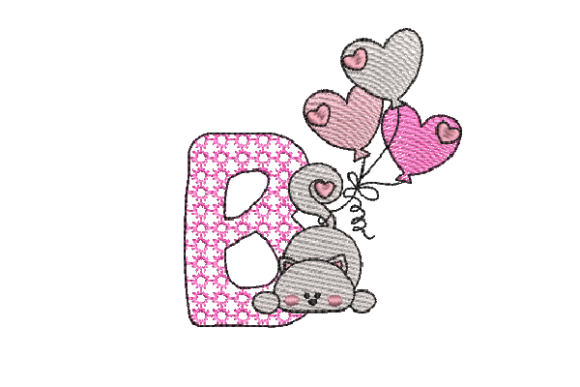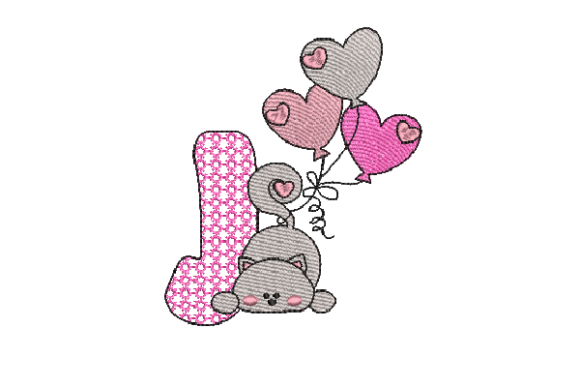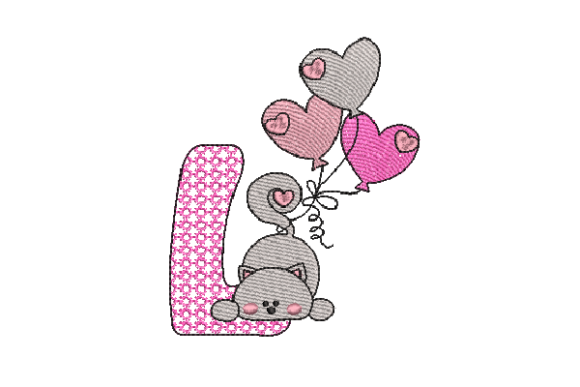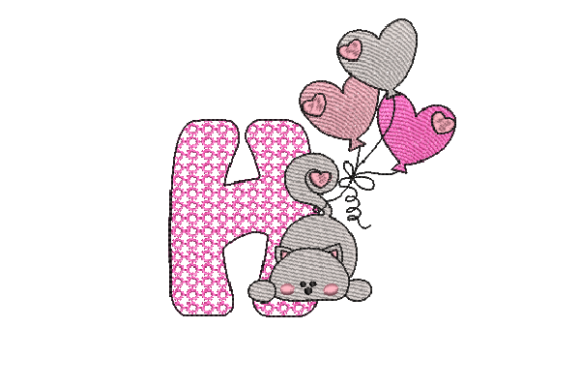
Letter Q Cat Sketch Review for Real Projects
As a designer who has spent years testing digital assets before they hit the hoop, I approach every new download with a mix of excitement and skepticism. The market is flooded with generic fonts and clipart, but Letter Q Cat Sketch caught my eye immediately. It promises a hand-drawn aesthetic that is lightly filled with minimal underlay, suggesting a quick stitch-out with major impact. But does it hold up when you are actually stitching on a busy workday, or is it just another pretty picture that falls apart in real life? I decided to put this design through its paces by integrating it into a custom apparel project for a local boutique client.
The First Impression: Mood and Visual Personality
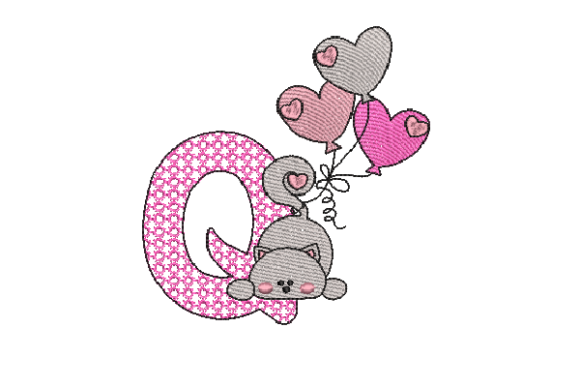
When you first open the file, the vibe is distinctively playful yet refined. Unlike many alphabet sets that feel rigid or overly corporate, Letter Q Cat Sketch carries a whimsical energy that feels organic. The shape of the letter Q is integrated seamlessly with the cat motif, creating a unified visual rather than two separate elements pasted together. This is crucial for embroidery because disjointed designs often look cheap once stitched.
The "hand-drawn" quality translates well to thread. In digital mockups, sketch lines can sometimes look messy, but here the intent is clear. The design relies on running stitches and light fill areas, which mimics the look of a pencil sketch brought to life. For a crafter or small business owner looking to create personalized gifts, this mood is perfect. It suggests warmth, creativity, and a touch of nostalgia. It isn't trying to be high-fashion or minimalist; it is aiming for cozy and approachable, making it an ideal choice for nursery decor, baby clothes, or a cute tote bag design.
Real-World Application: The Boutique Tote Bag Project
To test the true potential of this design, I selected a scenario that many Etsy sellers and craft fair vendors face: creating a branded tote bag for a holiday gift shop. The client wanted something unique that wouldn't clash with their existing logo but would add a fun, seasonal touch. We chose a natural canvas tote, a fabric texture that can be tricky for embroidery due to its rough weave.
I started by hooping the canvas with a medium-weight cutaway stabilizer. The first thing I noticed about Letter Q Cat Sketch was how quickly it stitched out. Because the description mentions "no or little underlay," the machine didn't bog down. There were no excessive pauses or thread breaks, which is a common frustration when working with complex alphabets. The design moved smoothly, and the lack of heavy density meant the fabric didn't pucker around the letter Q.
The result was impressive. On the natural canvas, the design popped without overwhelming the material. The cat's outline remained crisp, and the internal details didn't get lost in the fabric weave. When I showed the finished sample to the client, they immediately gravitated toward the "sketch" look. They felt it elevated the product from a standard mass-produced item to a thoughtful, handmade piece. This kind of reaction is exactly what drives sales in the competitive world of handmade goods. It proves that embroidery file choices directly influence customer trust and perceived value.
Performance Across Different Materials and Products
While the tote bag was a success, a good designer knows that one size does not fit all. I analyzed how Letter Q Cat Sketch performs across various other embroidery projects.
- Custom Apparel and Sweatshirts: The light fill makes this design excellent for sweatshirt embroidery. Heavy satin stitches can make fleece feel stiff, but the airy nature of this sketch keeps the garment soft and wearable. It works beautifully on the chest area of a hoodie or even as a sleeve accent.
- Baby Embroidery: For baby items like onesies or bibs, simplicity is key. The clean lines of the design prevent irritation against sensitive skin. However, you must ensure your thread colors have high contrast against the fabric so the details remain visible after washing.
- Holiday Embroidery and Gifts: This design shines as a personalized gift. Imagine a set of kitchen towels embroidered with the initial of the recipient followed by this charming cat sketch. It adds a personal touch that store-bought mugs simply cannot match.
- Apparel Decorators and Patches: If you are producing embroidered patches, this design is versatile. The defined edges allow for easy trimming, and the low density means it won't bulk up too much if you plan to iron it onto a cap or jacket.
Critical Considerations and Where to Proceed with Caution
Despite its strengths, there are specific scenarios where Letter Q Cat Sketch requires careful handling. As an experienced reviewer, I believe transparency about limitations is more valuable than hype.
Small Hoop Sizes: If you are working with a 4x4 hoop or smaller, you need to scrutinize the fine details of the cat's whiskers or the tail curve. While the design is simple, tiny elements can disappear if the stitch count is too low relative to the fabric grain. Always test on scrap fabric first to ensure the smallest threads hold their shape.
Fabric Texture and Stability: Stretchy fabrics like jersey knits require extra care. Even with light underlay, the tension of the thread can cause the fabric to ripple. You will likely need a tear-away or wash-away stabilizer that matches the stretch of the garment. Similarly, textured fabrics like thick wool or boucle may hide the delicate sketch lines, reducing the visual appeal of the final product.
Dense Stitch Areas: Although the design is described as having little underlay, if you attempt to over-stitch certain sections to increase durability, you risk losing the hand-drawn aesthetic. The charm lies in its lightness. Pushing the stitch density too high will turn the sketch into a solid block, defeating the purpose of the design.
Practical Designer Notes for Success
Before you commit this digital embroidery file to a commercial production run, there are several technical steps you should take to guarantee a professional finish.
- Test on Scrap Fabric: Never assume a design will work perfectly on your target material without a trial run. Use the same fabric and stabilizer combination you plan to use for the final product.
- Check Thread Color Contrast: A sketch design relies heavily on definition. Ensure your thread colors provide enough contrast against the background fabric. Light gray thread on white fabric might look muddy; opt for bold or dark threads to maintain clarity.
- Inspect Small Details: Zoom in on the digital preview. Are the corners of the letter Q sharp? Is the cat's tail connected properly? Missing connections can lead to loose threads and a messy look.
- Review Licensing: If you are a small shop product seller or an Etsy seller, confirm the licensing terms. Some designs are for personal use only, while others allow you to sell finished items. Always check the specific license before listing a finished product for sale.
- Mockup Testing: Create printable mockups in black and white. This helps you visualize how the design looks without the distraction of color, ensuring the composition is balanced.
Final Verdict on Value and Appeal
In the end, Letter Q Cat Sketch is a standout asset for designers who want to inject personality into their work without sacrificing efficiency. It strikes a balance between artistic flair and technical feasibility. For those looking to expand their craft business or add a unique touch to commercial embroidery projects, this design offers a reliable way to enhance brand consistency and buyer engagement.
It is not a magic bullet that fixes poor technique, but when paired with proper stabilization and thoughtful color selection, it delivers a finished product that feels premium and heartfelt. Whether you are making a holiday gift for a neighbor or stocking shelves for your boutique, this design earns its place in your library. It reminds us that sometimes the simplest, most sketched ideas make the biggest impact.