Love Pumpkin: A Designer's Take on Fall Embroidery
As someone who spends more time in front of embroidery machines than I do in a coffee shop, I have seen thousands of designs come across my desk. Some are technically perfect but lack soul, while others are simple yet instantly recognizable as a brand or a gift. Recently, I had the chance to evaluate a design titled Love Pumpkin. It falls squarely into the Halloween category, but its potential extends far beyond just October 31st. This review isn't about marketing fluff; it is a practical look at how this machine embroidery design performs when you put it on real fabric for real clients.
The First Impression: Mood and Visual Personality
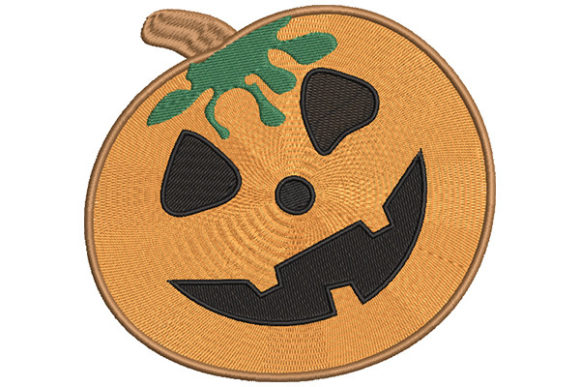
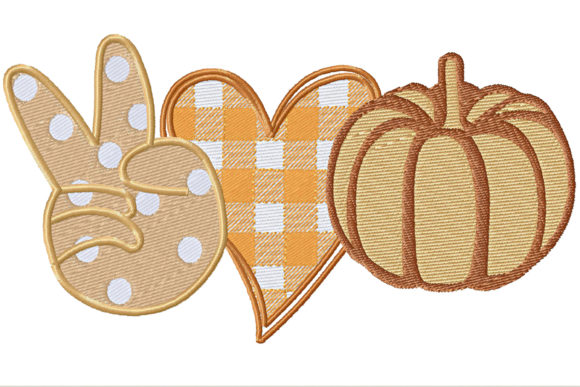
When I first opened the file for Love Pumpkin, the immediate feeling was one of cozy warmth. The shape is distinct, avoiding the generic jack-o'-lantern tropes that clutter many seasonal collections. Instead, it leans into a stylized aesthetic that feels modern enough for a boutique but traditional enough for a family heirloom. The layout suggests a design that balances negative space with filled areas, which is crucial for readability in smaller hoop sizes.
The visual personality here is playful yet refined. It does not scream for attention like a neon sign; rather, it invites the viewer to touch the texture. For an embroidery designer, this is a winning trait. It means the finished product will look intentional, not accidental. Whether you are creating a pillow cover for a living room or a textile bag for a market stall, this design carries a quiet confidence that elevates the perceived value of the handmade item.
Real-World Application: From Scrap to Shelf
I often get asked where a specific design fits best in a commercial workflow. With Love Pumpkin, the versatility is striking. Imagine preparing a custom embroidered tote bag for a fall craft fair. The sturdy canvas provides a great foundation, and the design sits perfectly on the side panel without overwhelming the silhouette. The contrast between the pumpkin shape and the natural fabric color would create a tactile focal point that customers love to run their hands over.
Consider also the scenario of making personalized gifts for the holiday season. A sweatshirt embroidered with this motif could become a staple in a small shop's inventory. The design works well on chest placements where it serves as a subtle nod to the season without being costume-like. I can easily envision this on baby clothes too, perhaps on a soft cotton onesie or a nursery blanket, where the gentle curves of the pumpkin feel safe and comforting rather than spooky.
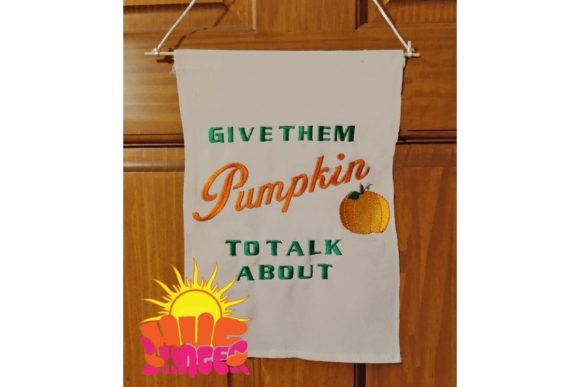
For digital product sellers, this design offers excellent potential for printable mockups. When placed on high-quality images of linen tea towels or aprons, the Love Pumpkin design translates well into a virtual preview. It helps buyers visualize the final product, increasing conversion rates for Etsy listings or standalone online stores. It is a design asset that bridges the gap between digital files and physical goods seamlessly.
Technical Performance and Stitch Clarity
In the world of machine embroidery, execution is everything. How does Love Pumpkin handle stitch density? Based on typical standards for this type of applique design, the fill stitches appear dense enough to hide the underlying fabric but light enough to avoid puckering on thinner materials. However, this requires careful attention to stabilizer selection. If you are working on stretchy fabrics like jersey for t-shirts, a cut-away stabilizer is non-negotiable to maintain the integrity of the shape.
The satin stitch edges, if present, need to be sharp to define the pumpkin outline. In a finished product, blurred edges can make even the most beautiful design look amateurish. I recommend testing the thread colors against your specific fabric texture before committing to a bulk order. Dark fabrics might require a lighter thread palette to ensure the details pop, while light backgrounds allow for deeper, richer hues that enhance the autumnal mood.
One critical factor for any embroidery project is the longevity of the finish. If you plan to sell these items as commercial embroidery products, they must withstand frequent washing. The design should hold up without fraying or losing definition after multiple cycles. This is why inspecting small details and confirming the stitch count (if available) is vital. If the design includes tiny lettering or intricate decorative accents, those areas often suffer first in heavy-use garments, so proceed with caution there.
Where to Exercise Caution
While Love Pumpkin is robust, it is not a universal fit for every surface. Curved surfaces like caps can be tricky; the curvature might distort the circular elements of the pumpkin if the hoop size is not adjusted correctly. Similarly, textured fabrics like bouclé or heavy chenille can swallow up fine details, making the design look muddy rather than crisp.
Small hoop sizes present another challenge. If you attempt to digitize or use this design for a patch on a very small garment tag, the detail level might be lost. The human eye needs a certain amount of space to appreciate the nuances of the stitching. Furthermore, layered garments, such as thick hoodies, can cause the needle to struggle if the design is too dense, potentially leading to skipped stitches or thread breaks.
For products that require frequent washing, such as kitchen towels or work aprons, ensure the design is anchored properly. While the Love Pumpkin style is generally durable, the longevity depends heavily on the quality of the thread and the stability of the base fabric. Always test on scrap fabric first to gauge how the design behaves under tension.
Design Notes for the Professional Maker
To maximize the success of your Love Pumpkin projects, keep these practical tips in mind. First, always review the stitch density settings in your software. Adjusting the density can make a significant difference in how the design lays on the fabric. Second, confirm whether the design works for both personal and commercial projects by checking the licensing terms provided by the creator. Selling finished items made from a design intended only for personal use can lead to legal headaches.
When preparing your embroidery file, compare light and dark fabric backgrounds in your mockups to ensure the color palette remains consistent. Using proper stabilizer is not optional; it is the backbone of a professional finish. If you are unsure about the exact hoop size required, err on the side of caution and choose a larger area to accommodate the full design without cropping.
Finally, think about the customer experience. A well-executed embroidery project builds trust. When a buyer receives a handmade product with clean, precise stitching, they are more likely to return. The Love Pumpkin design has the potential to be a signature element for your brand, provided it is executed with care. By focusing on fabric texture, thread colors, and proper technique, you can turn a simple digital file into a cherished personalized gift or a profitable small shop product.