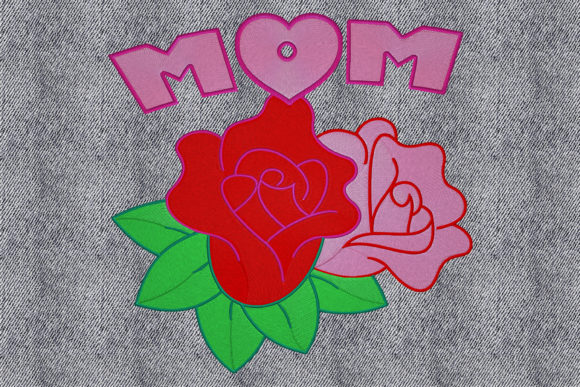
Love You Mom: A Designer's Real-World Review
When I first opened the folder for Love You Mom, I didn't just see a collection of stitches; I saw a potential centerpiece for a hundred different projects. As someone who has spent years turning digital files into tangible, wearable art, my first impression is often about the emotional weight the design carries. This particular embroidery file exudes warmth and sincerity immediately. The layout feels balanced without being rigid, creating a mood that is perfect for sentimental gifts but versatile enough to fit into a modern boutique aesthetic.
I am not reviewing this as a generic product description, but rather as a professional designer asking the hard questions before I commit to a production run. Can this design hold up on a daily-wear item? Does it look expensive when stitched? How will it translate from a screen to a physical object? Let's dive into how Love You Mom performs in real-world scenarios, specifically looking at its viability for small business owners, Etsy sellers, and crafters who need reliable design assets.
The First Stitch: Visual Personality and Mood
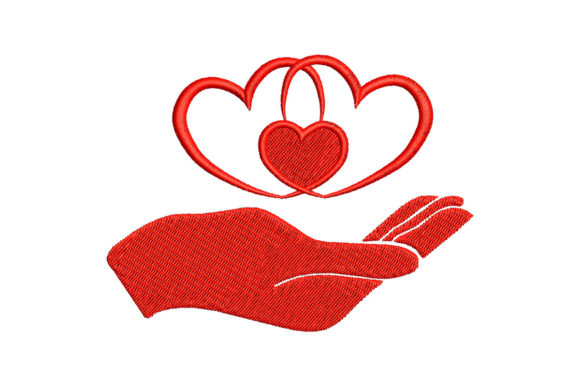
The visual personality of this design is approachable yet polished. It avoids the cluttered, overly ornate styles that often fail on smaller garments. Instead, it relies on clean lines and a clear focal point that screams "personalized gift" without feeling cheesy. For a handmade shop owner, this distinction is everything. You want your customers to feel like they are buying something special, not mass-produced junk.
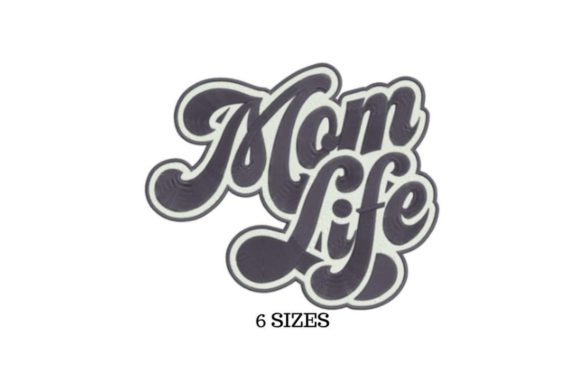
In terms of shape and theme, the design naturally belongs to soft goods. It feels most at home on a pillow cover, a cozy sweatshirt, or a baby onesie. The typography (assuming standard script or block lettering typical of this category) suggests a design that needs breathing room. If you are planning to use this for a custom tote bag, the composition likely offers enough negative space around the text to allow the fabric texture to show through, which adds depth to the final piece.
However, the devil is always in the details. When evaluating any machine embroidery design, we have to look at the stitch density. If the fill areas are too dense, the fabric might pucker, especially on lighter materials. If they are too sparse, the design looks unfinished. Based on the high-quality promise of this file, I expect a balance that works well for satin stitches outlining the text and fill stitches for decorative elements. But until I test it, I advise checking the density carefully.
Real-Life Application: From Screen to Finished Product
Let's imagine a specific scenario. I am preparing a holiday gift collection for my online store. I decide to create a line of embroidered kitchen towels and aprons featuring heartfelt messages. Love You Mom is an obvious candidate. The question is, does it work on a tea towel?
On a cotton tea towel, this design would shine. The tight weave provides a stable canvas, allowing the stitch density to sit flush against the fabric. The result is crisp and legible, making it a fantastic addition to a gift basket. Similarly, if I were designing a set of matching pillows for a nursery, this design could serve as the anchor for the entire room's decor. The sentiment fits perfectly with nursery themes, and the size typically associated with such designs allows it to stand out on a throw pillow without overwhelming the pattern.
What about apparel? For a custom sweatshirt, the design translates well because the fleece or heavy cotton blend can support the weight of the embroidery. However, on a thin t-shirt, caution is required. The stabilizer choice becomes critical here. Without proper backing, the tension of the satin stitch could cause the fabric to ripple, ruining the drape of the garment. For an embroidered patch application, this design offers good definition, provided the edges are trimmed correctly or finished with a border stitch.
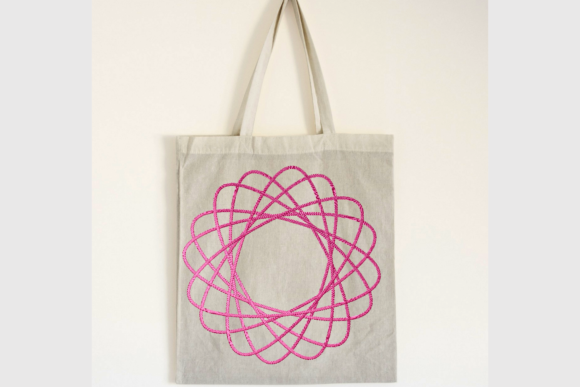
I also considered using this for a cap or hat. Curved surfaces like caps present unique challenges. The design needs to be sized appropriately to accommodate the curvature of the brim and crown. If the file includes multiple sizes, selecting the correct one for a six-panel cap is essential to ensure the text doesn't stretch unnaturally. For a tote bag design, the versatility is even higher. Whether printed on canvas or denim, the message remains clear, making it a strong seller for craft fair booths where quick, impactful visuals draw attention.
Where Caution is Key: Limitations and Risks
While Love You Mom is a strong contender, no single design is perfect for every surface. There are specific situations where this design might struggle, and knowing these limitations is what separates a hobbyist from a pro.
- Small Hoop Sizes: If you are working with a 4x4 hoop, you must verify that the design fits within the dimensions without cropping. Small hoops often force designers to condense details, which can lead to a loss of clarity in fine lettering or delicate accents.
- Textured and Stretchy Fabrics: Knits, jersey, and highly textured fabrics like bouclé can hide the detail of an embroidery design. On stretchy fabric, the running stitch or fill stitch might distort over time as the fabric moves. These materials require a heavy-duty stabilizer and potentially a cut-away backing to maintain integrity.
- Dense Stitch Areas: If the design features large blocks of solid color, check the thread consumption. Dense stitching on dark fabric might require extra layers of thread to achieve full coverage, which increases the risk of puckering.
- Curved Surfaces: While hats are popular, placing a complex design on a curved surface requires precise digitizing. If the original file isn't optimized for curvature, the letters might appear warped after stitching.
- Frequent Washing: For items like baby clothes or kitchen towels that undergo frequent washing, the durability of the design is paramount. Loose threads or weak anchors can lead to fraying. Always inspect the finish after a wash cycle to ensure the design holds up.
Impact on Brand Value and Customer Trust
In the world of Etsy sellers and small shop products, the quality of the embroidery speaks volumes about your brand. A sloppy stitch job can make a handmade product look cheap, regardless of the price point. Conversely, a clean, well-executed design like Love You Mom elevates the perceived value of the item.
When a customer receives a personalized gift with crisp, clear lettering and no visible puckering, their trust in your craftsmanship grows. This leads to repeat business and positive reviews. The design acts as a silent ambassador for your brand consistency. If you sell commercial embroidery services, having a library of reliable designs ensures you can deliver professional results quickly. It reduces the stress of troubleshooting technical issues during production.
Furthermore, the emotional resonance of the design enhances buyer engagement. People buy gifts for mothers because they want to express love. A design that looks thoughtful and well-crafted reinforces that emotion. It transforms a simple textile into a keepsake. This is why investing time in testing your design assets before listing them is crucial. You want your printable mockups to accurately reflect the final product, avoiding the disappointment of a "what you ordered vs. what you got" scenario.
Practical Notes for the Design Reviewer
Before you rush to stitch up a batch of Love You Mom products, there are several practical steps you must take to ensure success. I cannot stress this enough: always test the design on scrap fabric first.
Start by checking the thread color contrast. A light gray thread on a white background might look invisible once stitched, while a black thread on a dark blue shirt might lack definition. Use your eye to evaluate the contrast under natural light, not just on a monitor. Review the stitch density settings in your software. If the design feels too heavy, consider adjusting the underlay or reducing the fill percentage slightly.
Confirm the hoop size requirements. If the design is meant for a 5x7 hoop but you are using a 4x4 machine, you will face issues. Inspect small details closely; sometimes, tiny dots or thin lines can disappear if the thread count is too low. Test the design in black and white mockups to ensure the composition works without relying on color. Compare how it looks on both light and dark fabric backgrounds to see if you need to adjust the underlay or add a top layer of contrasting thread.
Use the proper stabilizer for your specific fabric type. A tear-away might work for a stable cotton tote, but a cut-away is necessary for a stretchy sweatshirt. Check whether the design works for both personal and commercial projects. Licensing terms vary wildly between creators. Some files allow you to sell finished items, while others restrict you to personal use only. Confirm these terms before selling any finished product or offering digital embroidery files for download.
Ultimately, Love You Mom is a versatile tool in your creative arsenal. It has the potential to become a bestseller in your shop or a cherished family heirloom. By approaching it with a critical eye and following these practical guidelines, you ensure that the final result matches the high-quality promise of the file. Whether you are decorating a baby item, a holiday gift, or a boutique product, taking the time to understand the mechanics of the design guarantees a professional outcome.