Maple Leaf Curly: A Designer's Review for Fall Markets
As an experienced embroidery designer who spends countless weekends prepping booths for craft fairs and handmade markets, I know that the difference between a design that sits on a shelf and one that sells out in minutes often comes down to one thing: visual impact. When I first laid eyes on the Maple Leaf Curly design, I immediately thought about the chaotic energy of a fall market table. It isn't just another floral motif; it has a personality. The title alone suggests movement and charm, which is exactly what customers are looking for when they browse through stacks of autumn-themed goods.
This machine embroidery design feels like the perfect embellishment for Thanksgiving or general fall projects because it strikes a balance between rustic farmhouse vibes and modern whimsy. The "curly" aspect implies a playful, organic shape rather than a stiff, rigid geometric leaf. For a boutique maker or Etsy seller, this distinction is crucial. It transforms a standard seasonal item into something with character. Whether you are creating a tote bag design or an apron embroidery piece, the soft curves of Maple Leaf Curly promise to catch the eye without overwhelming the garment.
First Impressions: Why This Design Sells
In the world of commercial embroidery, the first three seconds determine a sale. When a customer walks up to your booth, they scan quickly. They look for warmth, quality, and a reason to bring the item home. Maple Leaf Curly delivers on all fronts. It feels festive yet elegant, making it suitable for a wide range of demographics. Unlike some designs that feel overly trendy or dated within months, this design leans into the timeless appeal of autumn foliage.
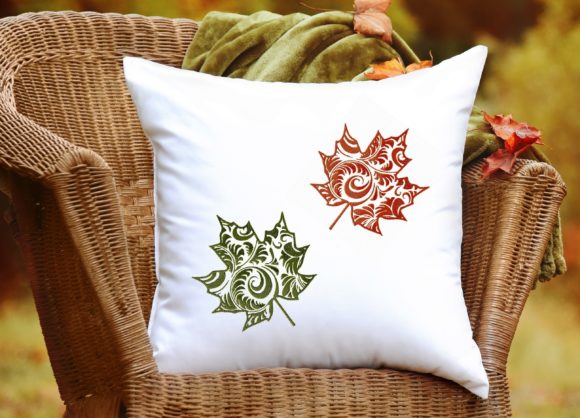
The design works exceptionally well as a small accent or a large focal point. On a small fabric pouch or a tea towel embroidery project, it acts as a charming signature. On a larger canvas like a pillow cover or a market bag, it becomes a statement piece. The curly nature of the leaf adds depth, suggesting that it was hand-drawn rather than stamped. This perception of "handmade quality" allows you to price your products higher, as buyers can see the effort and artistry involved in the finished product.
Product Applications: Where Maple Leaf Curly Shines
Imagine setting up your display table for a weekend craft fair. You have a variety of items, from caps to kitchen towels. Here is where Maple Leaf Curly truly excels:
- Tote Bags and Market Bags: These are staple items for any Etsy seller. The design fits perfectly on the front pocket or centered on the main body. Its curves flow naturally with the fabric, avoiding the stiffness that sometimes plagues blocky designs.
- Apron Embroidery: For the home cook or the artisan baker, an apron featuring this design is a top-tier gift idea. The leaf shape complements the bib area beautifully, adding a touch of seasonal cheer to a functional tool.
- Tea Towel Embroidery: Kitchen linens are high-margin items. The contrast of the curly leaf against a linen texture creates a sophisticated look that appeals to buyers looking for farmhouse decor.
- Embroidered Patches: If you sell sew-on patches, this design is ideal. The distinct outline makes it easy to apply to denim jackets or beanies, expanding your product line beyond just home goods.
- Pillow Covers and Caps: For smaller, lower-priced impulse buys, this design works wonders. It photographs beautifully for online listings, allowing digital sellers to create attractive printable mockups that entice buyers before they even touch the product.
When used as a craft fair product, Maple Leaf Curly helps unify your booth theme. If you pair it with other fall tones, it creates a cohesive brand identity that makes your shop look professional and established.
Production Practicality and Selling Strategy
From a production standpoint, efficiency is key for any creative entrepreneur. You want a design that is repeatable for batch production without losing its charm. The structure of Maple Leaf Curly appears to be straightforward enough to stitch quickly, yet detailed enough to hold attention. However, before you commit to a large run, there are practical steps every designer must take.
First, consider the stitch density. Dense areas can sometimes cause puckering, especially on lightweight fabrics like cotton tees or sheer curtains. You must ensure that the design balances fill stitches with satin strokes to maintain clarity. If the design is too dense, it may lose definition on textured towels or thick denim. Conversely, if it is too sparse, it might look thin on dark fabric.
Photography plays a massive role in selling embroidery files and finished goods. A design that looks great on a computer screen needs to translate well in photos. The curly lines should pop against the background fabric. Test different thread colors to see how they interact with various fabric textures. A golden thread on a cream towel will look vastly different than a deep red thread on a navy tote. Experimentation here can significantly boost your sales.
Important Considerations for Success
While Maple Leaf Curly is a strong contender for your next collection, there are specific areas where caution is required. Always check the hoop size requirements before starting production. If the design is intended for a 4x4 hoop but you try to embroider it on a large jacket without resizing, the alignment could be off.
Be mindful of tiny details. If the design includes very fine lines or intricate inner veins, these might get lost when stitched on curved surfaces like caps or rounded seams. Thick fabrics can also swallow up small details, so always test on scrap fabric first. Additionally, if you plan to use this on dark fabrics, ensure you have the right underlay settings to prevent the design from sinking into the material.
For those selling digital assets, remember to verify the commercial licensing terms. Not all embroidery file formats come with the same rights. Some allow unlimited sales, while others restrict the number of units you can produce. Always review the documentation provided with the design to avoid legal issues.
Final Thoughts for the Creative Entrepreneur
The Maple Leaf Curly design is more than just a pattern; it is a tool for building a brand. It offers the versatility needed for a diverse product line, from small accessories to larger home decor items. By focusing on proper testing, choosing the right stabilizer, and paying attention to thread contrast, you can turn this single design asset into a best-selling series.
Whether you are a seasoned pro or just starting your journey as an Etsy seller, this design provides a solid foundation for your fall collection. It captures the essence of the season while maintaining a level of sophistication that elevates your entire booth. Take the time to create at least one real mockup, compare fabric colors, and inspect the final stitch quality. When you do, you will find that Maple Leaf Curly is ready to stand out among the competition and win over customers at your next craft fair.