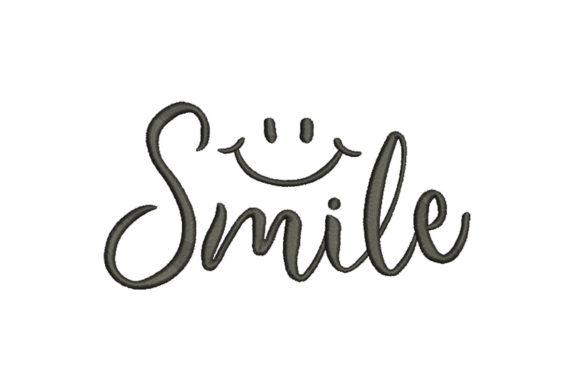
Smile Design Review for Small Business Merch
As an experienced embroidery designer who has spent years refining designs for commercial use, I recently evaluated the Smile machine embroidery design. This piece falls under the Inspirational category and promises to bring a cheerful touch to any fabric. For small business owners, Etsy sellers, and apparel decorators, the question is never just about aesthetics; it is about how a design functions as a brand asset. In this review, I will break down how Smile performs when applied to real-world merchandise, from branded patches to staff uniforms.
First Impressions: Personality and Brand Fit
The title alone suggests a design that is warm, approachable, and universally positive. When you look at the description, which emphasizes making you smile every time you see it, the intended personality becomes clear. It feels friendly rather than corporate, playful yet professional enough for a boutique or creative studio. This is not a heavy-handed logo; it is a visual cue that invites connection. For brands in the bakery, florist, pet care, or handmade product sectors, this vibe aligns perfectly with the desire to create a welcoming atmosphere.
The design likely carries a balance of modern simplicity and classic charm. It avoids being overly decorative while maintaining enough detail to stand out on a finished product. Whether you are looking for a rustic feel or a clean, modern aesthetic, Smile offers a versatile foundation. It works well as a standalone statement or as a subtle accent that reinforces your brand's core message of joy and positivity.
Real-World Application in Small Business Merch
When evaluating an embroidery file for commercial production, we must consider where it can physically live on a garment or accessory. The versatility of Smile makes it an excellent candidate for several high-value applications.
- Embroidered Patches: One of the most popular uses for this design is creating custom iron-on or sew-on patches. These serve as premium add-ons for denim jackets, tote bags, or backpacks. A patch featuring Smile adds immediate value to a product line and encourages customers to wear their brand pride.
- Staff Uniforms and Aprons: For cafes, bakeries, or retail boutiques, employee branding is crucial. Placing Smile on the chest area of a work shirt or on the bib of an apron creates a cohesive team identity. It signals friendliness to customers before they even hear a greeting.
- Cap Embroidery: Curved surfaces like caps present a unique challenge. If the design is scaled correctly, it can sit perfectly on the front panel of a baseball cap or be used as a side detail. It transforms a standard hat into a piece of branded marketing material.
- Tote Bag Design: Canvas tote bags are a staple for craft businesses. Stitching Smile onto these bags provides a durable, tactile experience that paper tags cannot match. It turns a simple shopping bag into a lasting advertisement.
- Product Packaging Accents: Beyond clothing, this design can be stitched onto fabric labels attached to packaging. This level of detail elevates the unboxing experience for handmade products sold on platforms like Etsy.
Strategic Placement for Maximum Impact
While the design is versatile, strategic placement is key to maintaining a professional look. Using Smile as a sleeve detail can offer a subtle nod to your brand without overwhelming the main graphic. Alternatively, using it as a chest logo accent allows it to complement larger logos rather than compete with them. For event merch or limited-run drops, placing the design on the back of a t-shirt near the neckline can create a memorable surprise for the wearer.
Critical Considerations and Potential Pitfalls
Even the best digital embroidery file requires careful execution. As a designer, I always advise clients to test Smile in specific scenarios before committing to a full production run. There are areas where caution is necessary to ensure the final result looks polished.
Small Patch Sizes: If you plan to produce very small patches, intricate details within the design might get lost or merge together. You must verify that the stitch density remains legible at your desired size. Tiny lettering or fine lines can become blurry if the scale is too aggressive.
Curved Surfaces and Caps: Embroidering on curved surfaces like cap fronts requires precise digitizing. If the design is not adjusted for curvature, the stitches may pull the fabric unevenly, causing distortion. Always test on a curved form before mass producing.
Fabric Texture and Dark Uniforms: The visibility of Smile depends heavily on thread color contrast. On dark uniforms or textured fabrics like thick fleece, light threads might not pop sufficiently. Conversely, dark threads on black fabric can disappear entirely. You need to carefully select thread colors that ensure the design stands out against the background material.
High Stitch Density: Designs with high stitch counts can be stiff and difficult to wash frequently. If the item is a work shirt or apron that undergoes industrial laundering, excessive density can cause puckering or thread breakage over time. Ensure the file is optimized for durability.
Impact on Brand Identity and Customer Trust
In the world of handmade products and small business merch, visual consistency builds trust. A professionally executed Smile design signals that you pay attention to quality. It moves your brand perception from "DIY" to "professional creator." When customers see a crisp, well-placed embroidery design, they associate that care with the quality of the product itself.
This design fosters emotional engagement. By stitching a message of happiness onto a functional item, you create a positive association every time the customer uses the product. This repetition strengthens brand recognition and keeps your business top-of-mind. It transforms a simple commodity into a personalized experience.
Practical Designer Notes for Production
Before you send Smile to the hoop for your next project, follow these essential steps to guarantee success:
- Test in Black and White: Convert your printable mockup to grayscale first. This helps you visualize how the design will look regardless of the thread color chosen.
- Check Small Scale Legibility: Run a test at the smallest size you intend to use. Ensure no details are lost in the stitching process.
- Review Thread Color Contrast: Select threads that provide maximum contrast against your target fabric texture. Avoid low-contrast combinations that make the design hard to read.
- Inspect Spacing and Hoop Size: Confirm that your hoop size accommodates the design without cutting off edges. Proper spacing prevents the fabric from bunching.
- Test on Real Fabric: Do not rely solely on digital previews. Stitch the design on the actual material you will use for the final product to check for puckering or tension issues.
- Use Proper Stabilizer: The choice of stabilizer is critical. Use a tear-away or cut-away stabilizer appropriate for the weight of your fabric to support the stitch density.
- Create a Client Mockup: Before starting production, generate a realistic mockup to show clients or stakeholders for approval.
- Compare Design Assets: Place Smile beside your other design assets to ensure it matches the overall style and tone of your brand identity.
- Confirm Commercial Licensing: Most importantly, verify that you have the correct commercial license to use this machine embroidery design for selling finished goods. Never assume usage rights without checking the terms.
By following these guidelines, you can transform the Smile design into a powerful tool for your small business. It is more than just a happy image; it is a strategic element that enhances your finished product and engages your audience. With careful planning and execution, this embroidery file can become a signature part of your brand's visual language.