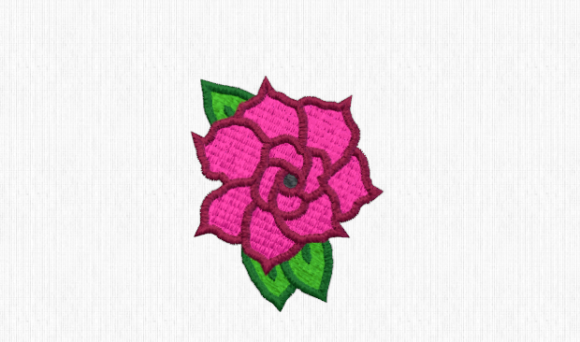
Sweet Flower Review for Boutique Apparel
As an experienced embroidery designer constantly scouting for the perfect digital assets to elevate my boutique collections, I recently discovered Sweet Flower on Creative Fabrica. When you are curating a new line of custom apparel, every design element must work harder than just being pretty; it needs to convey personality and quality. This embroidery file caught my eye immediately because of its promise to add a bright and cheery decoration to any item. After analyzing its potential for various garment types, from oversized hoodies to delicate tote bags, I am ready to share my professional assessment of how this design fits into a modern handmade business strategy.
The Visual Personality of Sweet Flower
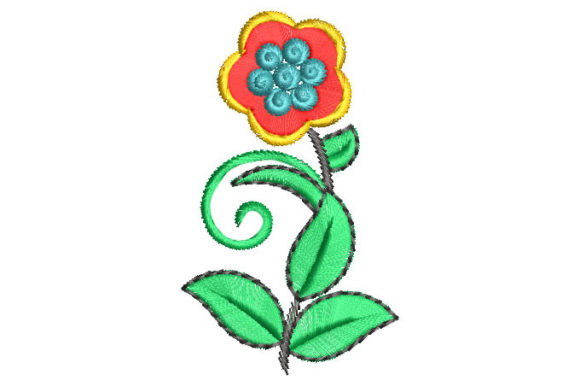
The first impression of Sweet Flower is undeniably playful yet refined. In the world of machine embroidery design, finding a balance between cute and premium can be tricky. This single flower design manages to feel both trendy and classic, making it versatile enough for a wide range of brand identities. Whether your boutique leans towards feminine, rustic, or minimal aesthetics, this piece offers a decorative strength that anchors a design without overwhelming it.
Visually, the stitching mood suggests a high level of detail that translates well to finished products. It feels like a cheerful accent rather than a heavy statement piece. For an Etsy seller or a small clothing brand owner, this versatility is gold. It allows you to create cohesive product lines where the design adapts to different fabrics and styles while maintaining visual consistency. The bright and cheery nature of the flower ensures that the final product stands out in social media graphics and printable mockups, which are crucial for driving customer engagement online.
Applying Sweet Flower to Sweatshirt and Hoodie Collections
Imagine preparing a small sweatshirt or hoodie collection for your online shop. How does Sweet Flower perform when applied to these staple items? My initial thoughts lean heavily toward its effectiveness on neutral sweatshirts. A soft cream or heather gray fleece provides the perfect canvas for the bright colors of this design, allowing the thread colors to pop without clashing with the background.
For pastel hoodies, the design adds a layer of sophistication. It transforms a basic casual garment into a lifestyle product photo-ready item. However, placement is key. On a hoodie chest placement, the design acts as a subtle logo alternative, inviting closer inspection. If you are looking to experiment with sleeve accents, this flower works beautifully as a repeating motif or a singular focal point near the cuff. The design also holds potential for back designs on oversized garments, where space allows for a larger presentation of the floral art.
When considering dark apparel, the contrast becomes a critical factor. While the description notes the design can decorate shirts, you must carefully select thread colors to ensure visibility against black or navy fleece. The density of the stitches will determine how well the flower sits on the fabric texture of a sweatshirt. If the stitch density is too low, the design may look flat; if too high, it might cause puckering on the stretchy knit material.
Expanding Beyond Apparel: Totes and Denim
The utility of Sweet Flower extends far beyond just tops. As a commercial embroidery option, it excels on denim jackets. The stiffness of denim pairs perfectly with the structured nature of a floral embroidery design, creating a durable and stylish finish. Furthermore, for tote bag design projects, this file offers a charming upgrade to standard canvas bags. A sweet flower on a tote makes for an excellent gift item or a branded giveaway for crafters.
Cozy seasonal outfits also benefit from this design. During autumn or spring, a floral motif resonates well with customers looking for transitional pieces. The design’s ability to adapt to different seasons makes it a smart investment for a digital embroidery file intended for year-round sales. Whether you are producing merchandise for a specific event or building a general catalog, Sweet Flower serves as a reliable asset.
Strategic Placement and Design Considerations
While the design is promising, there are areas where you must exercise caution. Small chest placement requires precision. If the area is too restricted, the details of the flower may get lost, especially if the fabric stretches significantly. Dense stitch areas should be avoided on ribbed fabric, as the tension required to keep the design flat could distort the ribbing.
Curved surfaces, such as the shoulders of a t-shirt or the rounded body of a hoodie, present another challenge. You must inspect the stitch direction to ensure it follows the curve naturally. Tiny lettering paired with this design can sometimes compete for attention, so it is often better to let the flower stand alone or pair it with simple, clean fonts. Areas that may stretch or wrinkle, like the lower hem of a loose tee, require extra stabilizer support to maintain the integrity of the machine embroidery design.
Impact on Brand Identity and Product Value
In the competitive landscape of handmade products, the quality of your embroidery directly influences buyer trust and product recognition. Using a high-quality embroidery file like Sweet Flower signals professionalism. Customers can see the difference between a mass-produced print and a carefully stitched design. This distinction enhances the perceived value of your finished product, allowing you to price your boutique brand items at a premium.
Consistency in your design choices builds a recognizable aesthetic. If Sweet Flower becomes a signature element in your collection, it helps customers identify your brand instantly. This visual identity is essential for long-term success in the digital marketplace. When you present your goods with thoughtful design choices, you foster deeper customer engagement and encourage repeat purchases.
Essential Designer Notes for Production
Before adding Sweet Flower to your production workflow, there are several practical steps every embroidery designer should take. First, always test on scrap fabric that matches your intended garment material. This step reveals how the design behaves on specific textures and prevents costly mistakes on finished inventory.
Check your stabilizer choice carefully. Fleece and knits require different stabilization strategies compared to woven cotton or denim. Ensure you have the correct hoop size for your machine to accommodate the design dimensions accurately. Inspect the stitch density within the file to ensure it is appropriate for the fabric weight; too much density on light fabric can cause distortion.
Review the thread color contrast before committing to a large run. The brightness of the flower relies heavily on the thread selection against the base fabric. Additionally, confirm the hoop size requirements listed in the Creative Fabrica product details to avoid resizing issues that could alter the design's proportions.
Finally, verify the licensing terms provided by Creative Fabrica before selling finished apparel. Understanding the commercial rights associated with the digital embroidery file protects your business and ensures compliance with platform policies. By following these guidelines, you can confidently integrate Sweet Flower into your custom apparel offerings, creating beautiful, high-quality items that resonate with your audience.