Cute Turtle Embroidery Design Review
As an experienced embroidery designer who spends countless hours testing digital files before they hit the market, I recently put the Cute Turtle design through its paces. My goal was to determine if this piece truly belongs in a high-end personalized gift shop or if it is better suited for quick craft fair projects. After running several test stitches on various fabrics, I can confidently say that this machine embroidery design has a special charm that resonates deeply with buyers looking for heartfelt, handmade products.
First Impressions: A Burst of Sweet Charm
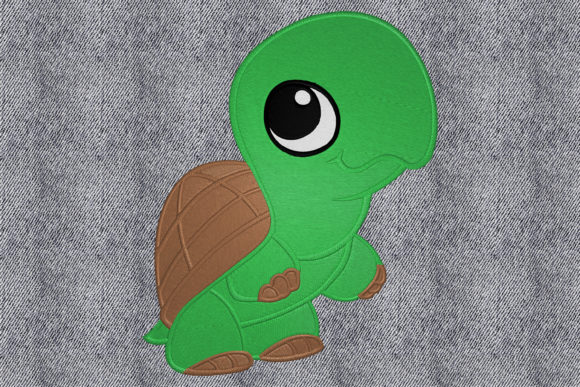
The moment you open the embroidery file, the mood of the Cute Turtle design becomes clear. It is undeniably playful yet possesses a gentle elegance that makes it versatile for many occasions. Unlike some designs that feel stiff or overly modern, this one feels warm and inviting. The curves are soft, and the overall composition suggests a creature that is both adventurous and cozy. This emotional appeal is exactly what drives sales in the Baby Animals category.
For a small business owner or an Etsy seller, this design offers a perfect balance. It is not so simple that it looks cheap, but it is not so complex that it overwhelms the fabric. When I first imagined this on a finished product, I saw a baby blanket with a tiny turtle peeking out from the corner. The design evokes feelings of safety, nature, and childhood wonder. It is the kind of personalized gift that makes a new parent tear up when they see their child's name stitched next to such a delightful character.
Real-World Applications for Your Shop
In my planning phase for potential customer orders, I visualized how the Cute Turtle would perform across different items. The versatility of this design is one of its strongest assets. It translates beautifully onto soft, absorbent fabrics like those used for embroidered towels. Imagine a set of kitchen towels featuring this turtle; it adds a whimsical touch to any home decor without being too childish.
For the wedding industry, this design could serve as a unique keepsake. While turtles are often associated with longevity, in a wedding gift context, they represent a slow and steady journey together. Placing this design on a pillow cover or a custom tote bag for a newlywed couple creates a memorable item that guests will actually use. Furthermore, for baby product creators, the application is endless. From nursery decor like wall hangings to practical items like aprons for little ones learning to cook, the design fits perfectly.
I also considered the market for custom embroidery services. Many customers search for specific themes to match their family names or initials. The Cute Turtle design allows for easy integration of text, making it ideal for creating matching sibling sets or family reunion gifts. As a small shop product, it helps differentiate your brand by offering something that feels curated and thoughtful rather than mass-produced.
Strategic Considerations and Limitations
While the design is charming, every professional knows that success lies in knowing where to apply it carefully. There are specific scenarios where the Cute Turtle might struggle if not handled with precision. For instance, if you are working with textured fabric like a thick terry cloth towel, the detail level might get lost. The stitches need a relatively smooth surface to pop, so be cautious with highly textured materials unless you adjust your tension and stabilizer usage.
Another critical area is stretchy baby clothes. While cotton onesies are great, jersey knits can distort the shape of the design if the stitch density is too high or if the stabilizer is insufficient. Similarly, curved surfaces like baseball caps or rounded tote bags require careful hooping. If the hoop size is not appropriate for the design dimensions, you risk distortion at the corners of the turtle shell. Additionally, dark fabrics pose a challenge. Without using a top-stabilizer or a specific thread color strategy, the design might lack contrast and appear muddy against a navy or black background.
Impact on Giftability and Brand Value
Choosing the right design directly influences perceived value. A well-executed Cute Turtle on a premium pillow cover signals quality and care. Customers are willing to pay more for items that look professionally finished because it builds trust. When a buyer sees a sharp, clean stitch job, they assume the rest of the product is made with the same attention to detail.
This design also enhances product photography. The bright colors and distinct shapes of the turtle create excellent focal points for images. On platforms like Etsy, where visual engagement is key, a photo of a finished blanket embroidery project featuring this design is likely to stop the scroll. It invites the viewer to imagine the tactile experience of touching the soft stitches. This emotional connection is crucial for converting browsers into buyers.
Furthermore, the design supports the narrative of a handmade product. In a world of machine-made goods, the slight imperfections of hand-guided finishing combined with a high-quality digital file create a unique story. Buyers love knowing that a human hand placed the stabilizer and selected the threads. This authenticity fosters a deeper bond between the maker and the customer, encouraging repeat business and word-of-mouth referrals.
Practical Notes for the Embroiderer
Before rushing to produce these items for real customer orders, there are essential steps you must take. First, always test on scrap fabric that matches the final material. This allows you to check thread color contrast and ensure the design does not pucker. You should confirm the hoop size required for the design to ensure it fits within your machine's capabilities.
Review the stitch density carefully. If the design is too dense for the chosen fabric, it may become stiff and uncomfortable, especially for baby items. Using the proper stabilizer is non-negotiable; for light fabrics, a cut-away might be needed, while tear-away works well for sturdier materials. Compare mockups on both light and dark fabrics to visualize the final result before committing to production.
Finally, inspect small details after stitching. Sometimes, fine lines in a digital file do not translate perfectly to thread. Ensure the eyes and shell patterns are defined clearly. Most importantly, verify commercial licensing terms before selling finished products. If you are unsure about the license, contact the creator or check the documentation provided with the digital embroidery file.
By following these guidelines, the Cute Turtle can become a staple in your collection. It offers a blend of nostalgia and modern style that appeals to a wide audience. Whether you are creating a custom order for a local client or building a catalog for your online store, this design provides a solid foundation for creating memorable, high-value gifts.