Baby Wolf Review for Small Business Merch
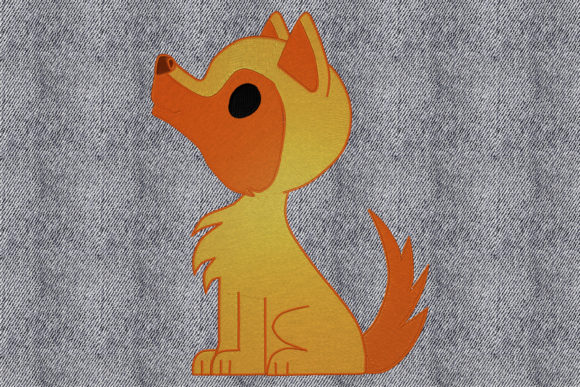
As an experienced embroidery designer who has spent years turning digital files into tangible brand assets, I approach every new design with a critical eye. When evaluating the Baby Wolf machine embroidery design, my focus isn't just on whether it looks cute; it is about whether it functions effectively as a tool for small business growth. This piece falls under the Baby Animals category of embroidery, but its potential extends far beyond simple decoration. It is a strategic asset that can elevate small business merch if applied correctly.
The first impression of the Baby Wolf design is one of approachable professionalism. The title suggests a blend of ruggedness and innocence, which translates well into a visual identity that feels both trustworthy and friendly. For a boutique, a creative studio, or a handmade brand, this duality is gold. It does not scream "corporate," nor does it look amateurish. Instead, it strikes a balance that works perfectly for businesses aiming to build a community around their products. Whether you are running a local café, a pet supply shop, or a craft studio, the personality of this design aligns with brands that value authenticity and warmth.
Real-World Applications in Commercial Embroidery
In my experience, the true test of any digital embroidery file is how it performs across different product categories. The Baby Wolf design is versatile enough to serve multiple roles in your inventory. One of the most effective uses is as an embroidered patch. A high-quality patch featuring this wolf can be sewn onto denim jackets, leather bags, or canvas tote bags to create a unique selling point. These patches act as conversation starters, driving engagement with customers who appreciate the detail and craftsmanship.
For staff uniforms, this design offers a subtle yet distinct accent. Imagine a team of baristas at a specialty coffee shop wearing black aprons with a small Baby Wolf logo stitched near the pocket. It humanizes the brand without overpowering the uniform. Similarly, for cap embroidery, the design fits well on the front panel of structured hats, providing a focal point that draws attention to the wearer's headwear. It is also an excellent candidate for tote bag design projects, where a single embroidered motif adds perceived value to what might otherwise be a generic promotional item.
Consider a bakery or a florist looking to expand their branding. Adding this design to apron embroidery creates a cohesive look that signals quality to the customer. When clients see consistent, professional stitching on the people serving them, it builds immediate trust. Furthermore, for Etsy sellers and online creators, this design serves as a perfect addition to custom apparel lines. It allows artisans to offer personalized gifts that feel special and bespoke, increasing the average order value through the perception of a premium, handmade product.
Strategic Considerations and Potential Pitfalls
While the Baby Wolf design has immense potential, there are specific scenarios where caution is required. Not every surface is suitable for every design. If you plan to use this for embroidered patches on very small items, you must ensure the stitch density is appropriate. Designs with intricate details can sometimes get lost or become muddy when scaled down too much. Always inspect the spacing and outlines before committing to a bulk run.
Curved surfaces, such as the front of a baseball cap, present another challenge. The curvature can distort the image if the digitization was not optimized for caps. You need to verify that the hoop size and tension settings account for the curve of the hat to prevent puckering. Additionally, if your business operates in an environment requiring frequent washing, like a commercial kitchen or a cleaning service, you must consider the durability of the thread colors and the stability of the stitches. High stitch density can sometimes lead to fabric stiffness, which might be uncomfortable for daily wear on work shirts.
Fabric texture plays a crucial role as well. On highly textured materials like heavy wool or rough linen, fine details may not register clearly. Dark uniforms require careful selection of thread colors to ensure contrast and visibility. If the design relies on light shading, it might disappear against a dark background unless you adjust the color palette. These factors determine whether the finished product looks polished or flawed.
Impact on Brand Identity and Customer Trust
Every element of your merchandise contributes to your overall brand identity. A sloppy embroidery job can undermine years of marketing effort, while a clean, well-executed design reinforces professionalism. The Baby Wolf design, when used correctly, enhances brand identity by projecting a sense of care and attention to detail. Customers notice these things. They associate the quality of the stitching with the quality of the core product or service.
This visual consistency is vital for customer trust. When a buyer sees a commercial embroidery project that is sharp and precise, they assume the business values excellence. Conversely, a design that pulls or fades after a few washes can damage reputation. By choosing a design like Baby Wolf and treating it with the necessary technical respect, you signal to your market that you are a serious player in your industry. This elevates the perceived value of your goods and encourages repeat purchases.
Essential Designer Notes for Production
Before you send the embroidery file to production, there are several practical steps every designer and business owner should take. First, always test the design in black and white. This helps you visualize the stitch flow and density without the distraction of color. It ensures the design holds up structurally before you commit to specific threads.
Review the stitch density carefully. If the design is too dense, it will be difficult to embroider on thin fabrics and may cause the material to bunch up. Check if the design works at the intended small patch size; sometimes, simplifying the details is necessary for smaller applications. Inspect the spacing between elements to ensure nothing is too crowded, which can lead to thread breaks.
Confirm the hoop size requirements early in the process. Using the wrong hoop can lead to misalignment, especially for multi-step designs. Test the design on real fabric samples rather than relying solely on screen previews. Fabric behaves differently than paper, and you need to see how the fabric texture interacts with the stitches. Use proper stabilizer to support the material during the stitching process, ensuring the final result is flat and durable.
Create a printable mockup for client approval before starting production runs. This allows stakeholders to visualize the design on the actual product and catch any issues early. Compare the Baby Wolf design beside other design assets in your brand kit to ensure it matches the style and tone of your existing logos and graphics. Finally, confirm the commercial licensing terms of the machine embroidery design. Ensure you have the right to sell products bearing this logo, as some licenses restrict commercial use.
By following these guidelines, you transform the Baby Wolf from a simple graphic into a powerful component of your business strategy. It becomes more than just an image; it becomes a symbol of your brand's commitment to quality. Whether you are creating merchandise for a launch event, updating staff uniforms, or adding a signature touch to your handmade product line, this design offers a robust foundation for success. With the right preparation and execution, the Baby Wolf will stand out as a testament to your brand's unique character and reliability.