Dreams Lettering: A Designer's Review for Personalized Gifts
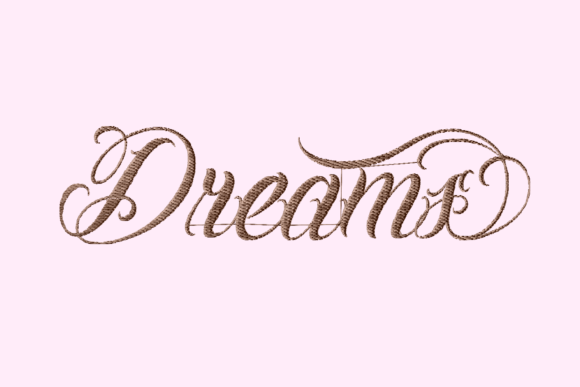
As an experienced embroidery designer, I spend a lot of time testing new files before adding them to my commercial shop. When I first downloaded the Dreams Lettering machine embroidery design, I immediately thought about how it could elevate a simple item into a cherished heirloom. This isn't just another font file; it is a high-quality design that will make your creations seem out of this world. Whether you are an Etsy seller looking to expand your catalog or a small business owner planning a wedding season collection, reviewing the potential of this design is essential.
The product description notes that this design comes with an adorable accent suitable for any fabric. My goal in this review is to walk you through exactly how I would use Dreams Lettering if I were launching a line of personalized gifts today. We will look at its emotional appeal, practical application on various products, and the critical technical checks you must perform before stitching on customer orders.
The First Impression: Mood and Emotional Appeal
When I opened the preview of Dreams Lettering, the immediate feeling was one of gentle whimsy mixed with classic elegance. The letterforms feel soft yet structured, making them perfect for a wide range of occasions. It strikes a balance between being playful enough for a baby nursery and sophisticated enough for a wedding keepsake. For a Bedroom category item like a decorative pillow or a wall hanging, this design offers a serene vibe that invites relaxation.
This is not a rigid, industrial font. It has a handmade quality that buyers love when they purchase from small shops. The charm lies in its ability to convey emotion without shouting. It whispers "dreams" rather than announcing it. This subtlety is what makes it a powerful tool for creating personalized gift items that customers feel deeply connected to. If you are designing for the Embroidery market, understanding this mood is key to marketing your finished products effectively.
Real-World Applications for Gift Makers
I often imagine specific scenarios where Dreams Lettering would shine. Let us say a client wants a meaningful gift for a new mother. Stitching this design onto a high-quality cotton muslin creates a stunning blanket embroidery piece. The lettering adds a custom touch that transforms a standard blanket into a family keepsake. Similarly, for a wedding gift, using this design on a linen pillow cover or a set of kitchen towels can create a memorable wedding gift that the couple will display proudly.
For those of you selling digital products or physical goods on platforms like Etsy, versatility is everything. Imagine a tote bag featuring the word "Dreams" in this style. It appeals to the modern crafter who values aesthetics. You could also use it on an apron for a home baker or a custom embroidered towel for a spa gift set. The design fits seamlessly into baby embroidery projects, such as naming a onesie or decorating a nursery mobile.
The perceived value of your handmade product increases significantly when the typography feels intentional. Customers are willing to pay more for a finished product that looks professionally designed. Dreams Lettering provides that professional polish while maintaining the warmth of a custom creation. It helps build customer trust because the design looks cohesive and well-executed, which is vital for Etsy sellers and small shop products.
Where to Be Cautious with Placement
While this design is versatile, there are specific areas where caution is required. As a designer, I have learned that even the best file can fail if placed incorrectly. First, consider the size of the lettering. If the design includes very small details, placing it on a thick, textured fabric like a heavy terry cloth towel might cause the stitches to get lost. The texture of the fabric can obscure the delicate curves of the letters.
Stretchy fabrics, such as those used for baby clothes, require extra attention. Without proper stabilization, the tension of the stitching can warp the garment. Furthermore, dark fabrics can be tricky if the thread colors chosen do not offer enough contrast. Always compare light and dark fabric mockups before committing to a production run. Curved surfaces, like the crown of a hat or the side of a curved mug, also present challenges. While Dreams Lettering is flexible, extreme curvature can distort the flow of the text, so test these applications carefully.
Products that need frequent washing, such as daily-use aprons or bedding, should be tested for durability. Ensure the stitch density is appropriate so the design does not pull or pucker over time. These considerations are crucial for maintaining the reputation of your commercial embroidery business.
Technical Notes for the Embroidery Maker
Before you start stitching up orders, there are several practical steps every maker must take. I always recommend starting by testing on scrap fabric. This allows you to see how the threads interact with the material and ensures the hoop size is correct for your project. If the design requires a larger area than your hoop can hold, you may need to split the design or adjust your workflow.
Check the thread color contrast thoroughly. Sometimes a color that looks good on screen appears dull on fabric. Review the stitch density in the file; if it is too high, it might make the fabric stiff, which is undesirable for a soft pillow cover or a blanket. Conversely, if it is too low, the design might look sparse. Using the proper stabilizer is non-negotiable. For lightweight fabrics, a cut-away stabilizer provides the necessary support to keep the embroidery file flat and stable.
After stitching, inspect the small details closely. Do the loops close properly? Is the text legible? These final checks ensure that your custom embroidery meets the high standards expected of a professional digital embroidery file. Finally, confirm your commercial licensing terms. Make sure you are allowed to sell the finished items made with this design. Many creators overlook this step, but it is essential for protecting your small business from legal issues.
Boosting Your Product Photography and Sales
A great design deserves great presentation. When you photograph your handmade product, the lighting should highlight the texture of the stitches. Use natural light to show the true thread colors and the depth of the embroidery. A printable mockup can help you visualize the final result before you even buy the fabric, saving you money and materials during the planning phase.
When listing your items, describe the emotional connection the design brings. Talk about how Dreams Lettering captures a moment of peace or joy. Buyers are looking for more than just a stitched logo; they want a story. By emphasizing the quality and the thoughtful placement of the design, you increase buyer engagement. Whether you are creating a family keepsake or a craft fair product, the narrative around the design matters.
In conclusion, Dreams Lettering is a fantastic addition to any designer's toolkit. Its blend of charm and elegance makes it suitable for a vast array of personalized gift ideas. From nursery decor to wedding gifts, this design has the power to turn simple fabric into something extraordinary. Just remember to test thoroughly, respect the limitations of different fabrics, and always prioritize the quality of the finished product. With careful execution, this design will help you build a loyal customer base that appreciates the artistry behind every stitch.