Harvest Lettering: A Designer's Review for Personalized Gifts
As an experienced embroidery designer, I spend a lot of time testing new files before I recommend them to my own clients or list them in my shop. Recently, I put the Harvest Lettering design through its paces with a specific goal in mind: can this file truly elevate a personalized gift product? The description promises that it will make creations seem "out of this world," but as someone who knows the difference between a good stitch and a great one, I needed to see how it performs on real materials.
This review is written for Etsy sellers, small business owners, and crafters who are looking to expand their catalog with high-quality embroidery designs. Whether you are creating baby products, wedding keepsakes, or seasonal decor, understanding the nuances of a design like Harvest Lettering is crucial for maintaining your reputation as a maker of handmade quality goods.
First Impressions: Mood and Emotional Appeal
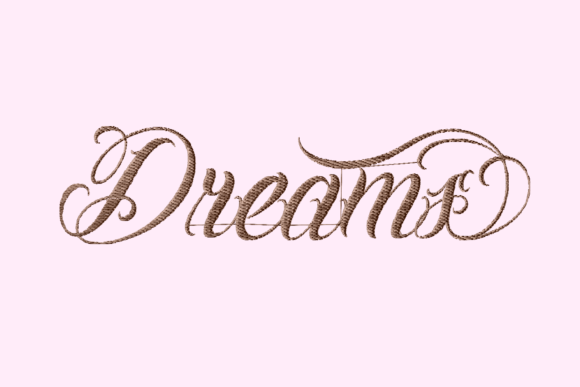
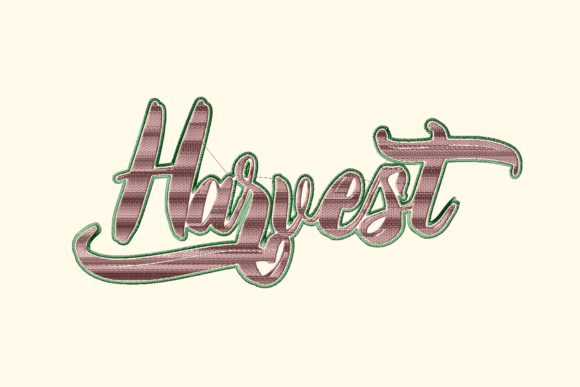
When I first loaded the Harvest Lettering file into my software, the immediate feeling was one of warmth and nostalgia. The lettering style strikes a balance between playful and elegant, making it incredibly versatile. It does not feel overly rigid or strictly modern; instead, it has a soft, organic charm that fits perfectly within the Autumn season while remaining timeless enough for year-round use.
The detail level is impressive without being cluttered. For a machine embroidery design, this is vital because too much detail often gets lost when stitched onto fabric. Harvest Lettering manages to look delicate yet substantial. This emotional appeal is exactly what drives sales for personalized gifts. Customers do not just buy a towel or a pillow cover; they buy the feeling of a cozy home or the memory of a special occasion. This design taps directly into that desire for a handmade product that feels curated and thoughtful.
Real-World Applications for Gift Makers
I tested the versatility of this design by imagining it on several popular gift items. The potential here is vast for anyone looking to create custom orders.
- Baby Embroidery: The soft curves of the lettering make it ideal for nursery decor. Imagine this stitched on a receiving blanket or a muslin swaddle. It adds a sweet accent that parents love to display.
- Wedding Gifts: For a couple celebrating their union, this design works beautifully on kitchen towels or a throw pillow. It serves as a meaningful wedding gift that guests can actually use.
- Custom Tote Bags and Aprons: These items are staples for Etsy sellers. Adding Harvest Lettering transforms a plain canvas tote or a basic apron into a unique personalized gift that stands out in a crowded market.
- Pillow Covers and Blankets: The design allows for creative placement. You could center it on a large pillow cover or repeat it along the border of a blanket embroidery project.
For digital product sellers, this file is also a strong candidate for creating printable mockups. Showing customers how the text looks on different fabrics helps build trust and engagement before they even place an order.
Where Caution is Required
While Harvest Lettering is charming, every embroidery file has limitations that must be respected to ensure a professional finish. As a designer, I always advise caution in the following areas:
- Small Lettering and Delicate Details: If you plan to stitch this on very small items, such as keychains or tiny baby socks, the details might get lost. Always check the size of the letters relative to the fabric area.
- Textured Fabrics: Thick towels or heavily textured fabrics can obscure the stitches. The design needs a relatively smooth surface to shine.
- Stretchy Baby Clothes: While perfect for blankets, stretchy knits require careful stabilization. Without proper technique, the lettering could pucker over time.
- Curved Surfaces: Stitching on curved surfaces like baseball caps requires a hoop that matches the curvature. Flat lettering designs may distort if not hooped correctly.
- Dark Fabric: Contrast is key. If you are using dark fabric, you must choose thread colors that pop. Dark-on-dark embroidery often lacks the visual impact needed for a premium finished product.
- Frequent Washing: For items like aprons or kitchen towels that will be washed often, the stability of the stitches is paramount. Ensure the design density is sufficient to prevent fraying.
The Impact on Giftability and Value
In the world of handmade sales, perceived value is everything. A well-executed custom embroidery job signals quality and care. When a customer receives a gift featuring Harvest Lettering, they immediately recognize the effort involved. This enhances the emotional connection to the item.
For small shop owners, using a design with this level of charm can boost buyer engagement. High-quality images of the finished product show off the texture and depth of the stitches. This visual proof of craftsmanship builds customer trust and encourages repeat business. It turns a simple commodity, like a pillow cover, into a cherished keepsake.
Practical Notes for Successful Execution
To ensure your personalized gift projects are successful, I recommend following these practical steps before running any production runs:
Test on Scrap Fabric: Never start with your final customer fabric. Use scraps to test the tension and stabilizer combination. This prevents costly mistakes on expensive materials.
Check Thread Color Contrast: Compare light and dark fabric mockups to ensure the design remains legible. The right thread colors can make or break the aesthetic of the piece.
Confirm Hoop Size: Verify that your hoop size accommodates the full width of the design. If the design is too wide for your machine's hoop, you may need to split the stitching, which can affect the alignment.
Review Stitch Density: High-density areas can cause puckering on thin fabrics. If the design feels too heavy, consider adjusting the underlay settings or choosing a lighter-weight stabilizer.
Use Proper Stabilizer: The choice of stabilizer is critical. For woven fabrics like linen or cotton, cut-away stabilizers offer the best long-term hold. For knits, tear-away might suffice, but for items that will be washed frequently, a more permanent support is usually better.
Inspect Small Details: After stitching, zoom in on the smallest parts of the lettering. Are the threads catching? Is there any skipped stitching? This final quality check ensures the embroidered towel or blanket embroidery meets your high standards.
Commercial Licensing: Finally, confirm your commercial licensing before selling finished products. Ensure you have the rights to sell items made with this digital embroidery file. Most reputable designers provide clear terms regarding single-use or multi-use licenses.
Final Thoughts on Harvest Lettering
The Harvest Lettering design is a strong addition to any creator's library. It offers the perfect blend of seasonal charm and everyday usability. By understanding its strengths and respecting its limitations, you can create stunning small shop products that resonate with buyers. Whether you are crafting a baby product for a new arrival or a wedding gift for a friend, this design provides the adorable accent that makes a creation truly special.
Remember, the success of your commercial embroidery business relies on the quality of your execution. Take the time to test, adjust, and refine. With Harvest Lettering as your tool, you are well on your way to producing work that feels out of this world.