Pickle Ball Design Review for Real Projects
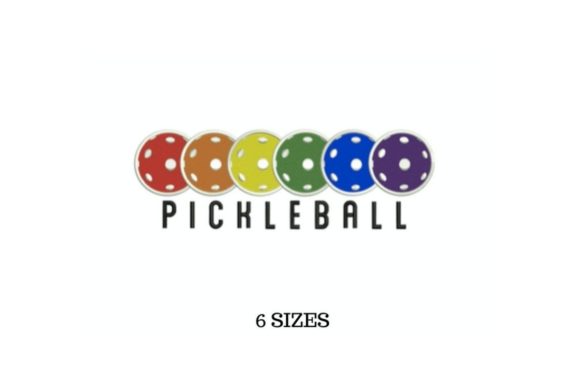
As an embroidery designer who spends hours testing digital files before they ever touch a machine, I recently evaluated the Pickle Ball design from Creative Fabrica. This isn't just another generic sports graphic; it is a specific machine embroidery design that caught my eye while planning a new line of handmade gifts for local craft fairs and Etsy listings. The product description notes that pickleball combines elements of badminton, table tennis, and tennis, making this a perfect design for enthusiasts. But does it translate well into a physical embroidery file ready for commercial use? After a thorough review process, here is my honest assessment.
First Impressions and Visual Appeal
The moment I opened the Pickle Ball design in my digitizing software, the visual mood was immediately clear. It feels energetic yet approachable, which is exactly what you want for a sport that has exploded in popularity among all age groups. The design captures the essence of the game without being overly cluttered. For a Games category item, it strikes a nice balance between a logo-style mark and a decorative illustration.
From a stylistic standpoint, the design relies on clean lines that suggest movement. I noticed that the artist likely used a mix of satin stitch for the outlines to give definition and fill stitch for the main shapes to create a solid, vibrant look. There are also hints of running stitch or lighter textures that add depth without overwhelming the viewer. When I placed this on a mockup of a tote bag, the design felt cohesive and professional. It doesn't look like a cheap clip-art image pasted onto fabric; it looks like a thoughtfully created piece of art intended for textile application.
Performance on Custom Apparel and Home Goods
I considered using this embroidery file for several real-world scenarios, ranging from custom apparel to home decor. The versatility of Pickle Ball is one of its strongest assets. Imagine stitching this onto a high-quality cotton canvas tote bag for a weekend tournament participant. The design would pop against a neutral background, creating a great conversation starter. Similarly, for a sweatshirt embroidery project, the density of the fill stitches would provide a soft, comfortable texture that doesn't feel stiff or heavy against the skin.
I also looked at how this might perform as a personalized gift. A baby blanket embroidered with a playful Pickle Ball motif could be a unique keepsake for parents who love the sport. The design's scale seems appropriate for smaller items like kitchen towels or pillow covers, where it serves as a charming focal point. For boutique merchandise, this design fits perfectly into a collection of athletic-inspired goods. It allows small business owners to tap into the pickleball trend without needing to commission expensive custom artwork.
Commercial Embroidery Potential
For those selling finished products on platforms like Etsy, the visual appeal of this design is crucial. High-quality photography of your handmade product often starts with a good mockup. This design translates well to printable mockups, allowing you to showcase the final result before cutting any fabric. Whether you are creating an embroidered patch for a jacket or adding a logo to a cap, the Pickle Ball design offers the brand consistency needed to build customer trust. Buyers can easily recognize the theme, and the quality of the stitching suggests a premium level of craftsmanship.
Practical Considerations for Stitching
While the visual potential is high, every experienced designer knows that the devil is in the details. Before committing to a production run, I had to consider the practicalities of the stitch density and the nature of the fabric. If you plan to use this on stretchy fabrics like jersey for t-shirts or sweatshirts, you must ensure you are using the correct stabilizer to prevent puckering. The design appears to have moderate density, which is generally safe, but checking the file settings is non-negotiable.
One area to watch closely is the lettering or any tiny details within the graphics. In my experience, small text on custom apparel can sometimes become illegible if the thread color contrast isn't sharp. I recommend testing this design on scrap fabric first to see how the threads interact. If you are working with dark fabric, you will need to evaluate whether the underlay and top thread colors provide enough visibility. Conversely, on light fabrics, the design should stand out beautifully, but you must ensure the thread choice complements the background rather than blending into it.
Hoop size is another critical factor. If you intend to stitch this on a curved surface like a cap, the curvature can distort the placement. You may need to adjust the hoop position or use a specialized cap frame. Additionally, for items that need frequent washing, such as aprons or kitchen towels, the stability of the stitches is paramount. Dense areas of fill stitch hold up well, but loose running stitches might snag if not secured properly during the digitizing phase. Always inspect small details after stitching to ensure no gaps or errors exist in the final output.
Maximizing Product Value and Buyer Trust
Using a well-executed design like Pickle Ball directly impacts the perceived value of your finished product. Customers buying personalized gifts or commercial embroidery items expect a level of quality that reflects the price they pay. A crisp, clean embroidery job builds confidence in your brand. When buyers see that you care about the details—such as proper thread tension and accurate placement—they are more likely to leave positive reviews and return for future orders.
This design also enhances the giftability of your items. Pickleball is a social sport, often played by families and friends. A tote bag or apron featuring this design becomes a thoughtful present for a birthday or holiday. The emotional connection to the hobby makes the product more than just a piece of fabric; it becomes a token of shared passion. For creative entrepreneurs, leveraging trending hobbies like this can significantly boost engagement and sales.
Final Recommendations for Use
If you are considering downloading the Pickle Ball design from Creative Fabrica, I believe it is a strong addition to your library of design assets. However, success depends on your preparation. Before starting your next project, take these steps:
- Test on scrap fabric: Always run a test stitch to check for tension issues and fabric compatibility.
- Check thread color contrast: Ensure the chosen threads make the design pop against your target material.
- Review stitch density: Look at the file details to understand how much thread will be used and if adjustments are needed for delicate fabrics.
- Confirm hoop size: Verify that your machine's hoop can accommodate the design dimensions without distortion.
- Inspect small details: Zoom in on the digitized file to ensure tiny elements are clear and won't get lost in the stitching.
- Read licensing terms: Check the Creative Fabrica product page carefully to confirm you have the right to sell finished items made with this digital embroidery file.
In conclusion, the Pickle Ball design offers a versatile and visually appealing option for anyone looking to expand their range of embroidery projects. Whether you are creating a single custom gift or scaling up for a boutique line, this file provides a solid foundation. By paying attention to the technical aspects of stitching and presentation, you can turn this simple concept into a standout product that resonates with pickleball lovers everywhere.